



Buttons
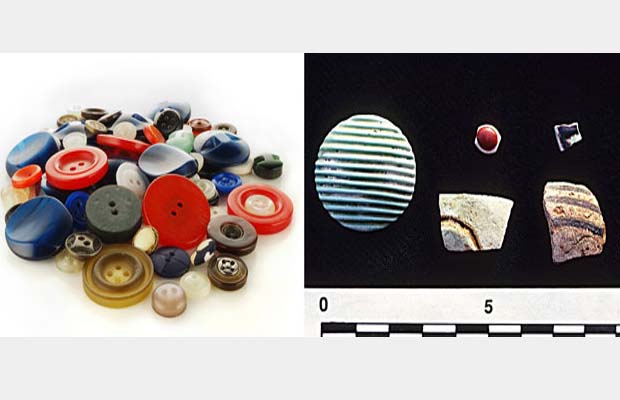
Buttons were first used in Mohenjo-daro for ornamental purpose rather than for fastening. They were first used in the Indus Valley Civilization by 2000 B.C.
Chess
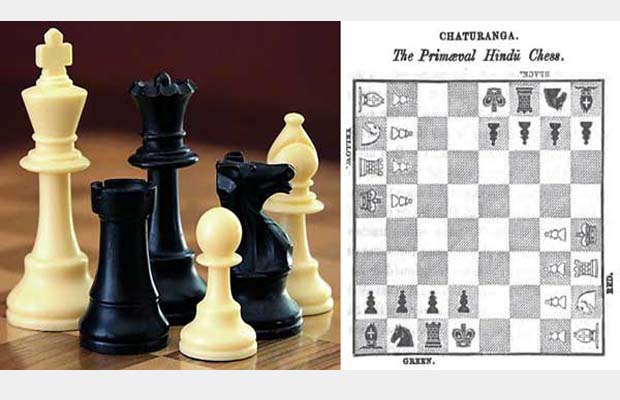
Chess developed out of Chaturanga, which is an ancient strategy board-game developed during the Gupta Empire in India around the 6th century A.D.
Prefabricated Home & Movable Structure
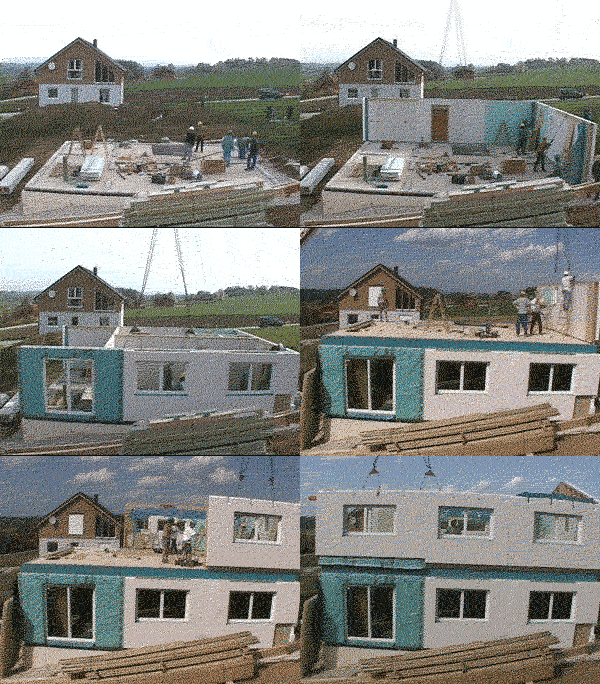
In 16th century Mughal India, during the reign of Akbar, the first prefabricated & movable structures were invented.
Ruler
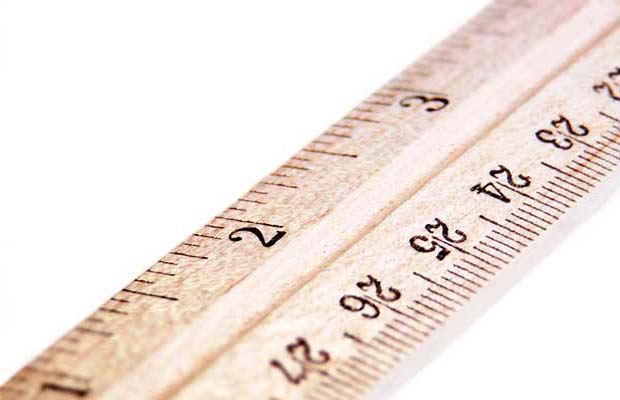
Rulers were first used by the Indus Valley Civilization prior to 1500 B.C. Made of ivory, the rulers found during excavation reveal the amazing accuracy of decimal subdivisions on it.
Shampoo
The word ‘shampoo’ is derived from chāmpo. It was initially used as a head massage oil for the Nawabs of Bengal during the Mughal Empire around 1762. It evolved into shampoo over the years.
Snakes & Ladders
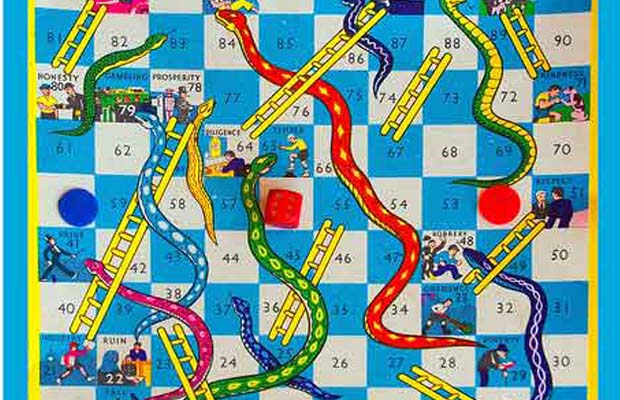
The game, Snakes & Ladders, was invented in India as a game of morals. Later, it spread to England and eventually introduced in the U.S.A. by game pioneer Milton Bradley in 1943.
Cotton Cultivation
The ancient Greeks used to wear animal skins and were not even aware of cotton. Indians started cultivating cotton during the 5th – 4th millennium B.C. in the Indus Valley Civilization. The word spread to the Mediterranean and beyond very soon.
Fibonacci Numbers
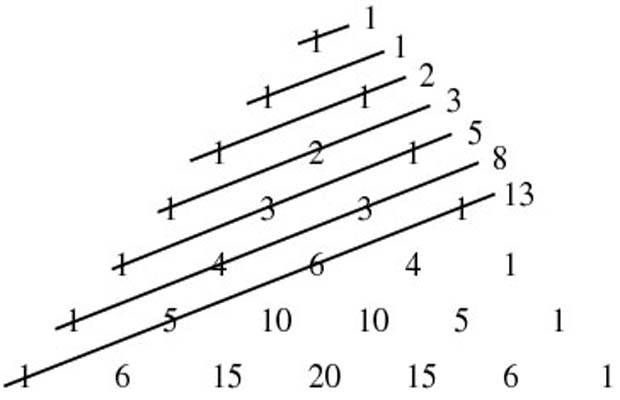
The Fibonacci numbers were first described by Virahanka, Gopala and Hemachandra as an outgrowth of earlier writings by Pingala.
Decimal System, Quadratic Formula and Zero
It was in 7th century C.E. when Brahmagupta found the first general formula for solving quadratic equations.
Suits Game
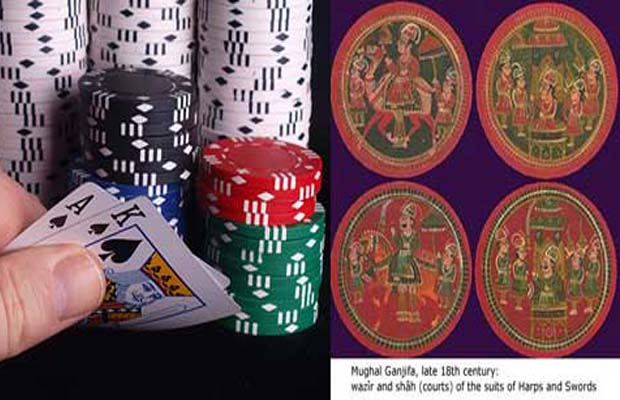
The popular game of cards originated from India and was known as Krida-patram (which literally means “painted rags for playing”).
Cataract Surgery
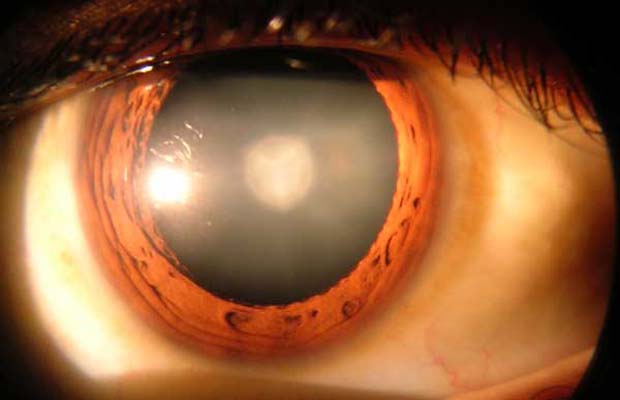
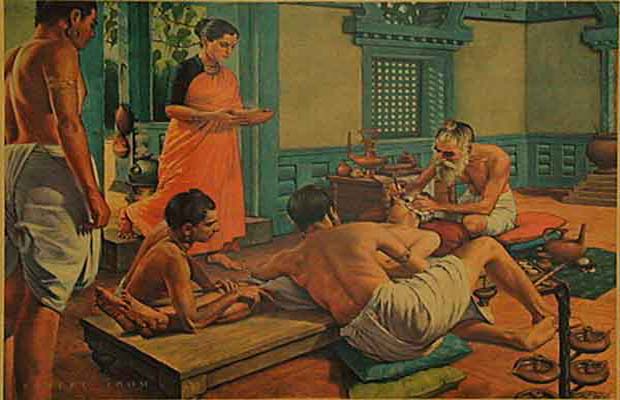
Indian physician Sushruta (6th century B.C.) had the knowledge of performing cataract surgery. It spread to China from India. Greek scientists would visit India to get operations done and also to learn the nitty-gritties.
Diamond Mining
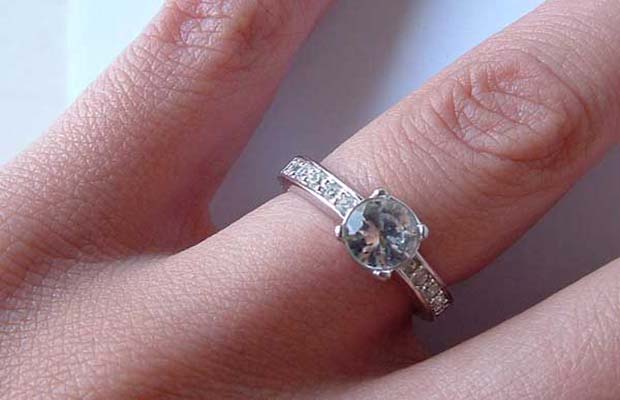
Worldwide, India was the only source of diamonds until the discovery of mines in Brazil in the 18th century. Almost 5000 years ago, diamonds were first recognized and mined in central India.
Water on Moon
ISRO’s Chandrayaan-1 made the startling discovery that our moon is not a dry ball of rocks. The discovery of lunar water is attributed to the Chandrayaan mission.
Radio/Wireless Communication
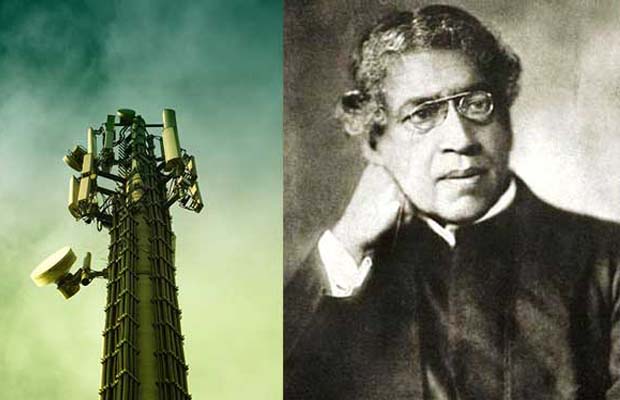
Marconi received a Nobel Prize in Physics in 1909 for contribution to the development of wireless telegraphy, but the first public demonstration of radio waves for communication was made by Sir Jagdish Chandra Bose in 1895, two years prior to Marconi’s similar demonstration in England.
Flush Toilets
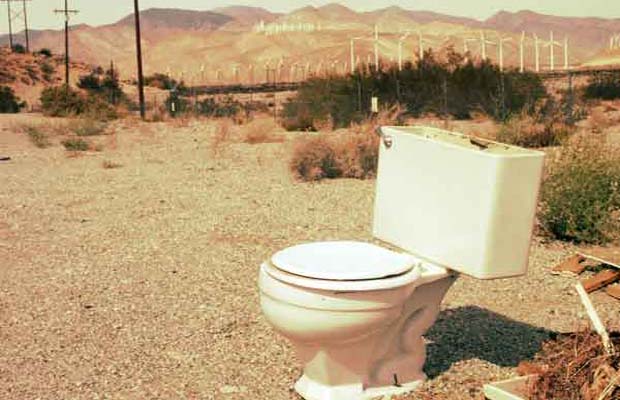
Flush toilets were first used in the Indus Valley Civilization. These existed in most homes and were connected to a sophisticated sewage mechanism. The civilization was prominent in hydraulic engineering.
Binary Code
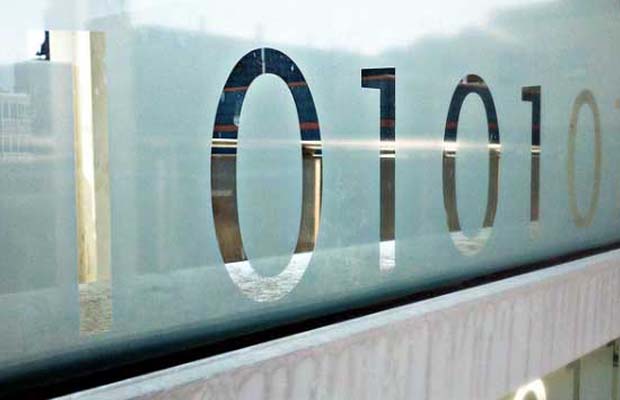
Binary numbers were first described by Pingala (200 B.C.). Pingala is the traditional name of the author of the Chandaḥśāstra – the earliest known Sanskrit treatise on prosody.
Ink
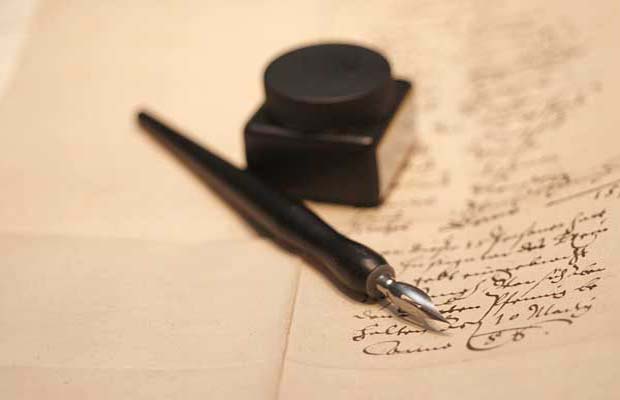
Many ancient cultures and civilizations independently discovered and prepared ink for writing purposes. The source of carbon pigment used in Indian Ink (called musi) used in ancient India, was India.
Steel & Metal Works
Ancient Indians were pioneers in metallurgy. High-quality steel was produced almost two thousand years before it was understood by the West. One of the most remarkable feat in metallurgy: creating a seamless celestial globe, was invented in Kashmir. It was earlier considered impossible to create a metal globe without seams.
Fiber Optics
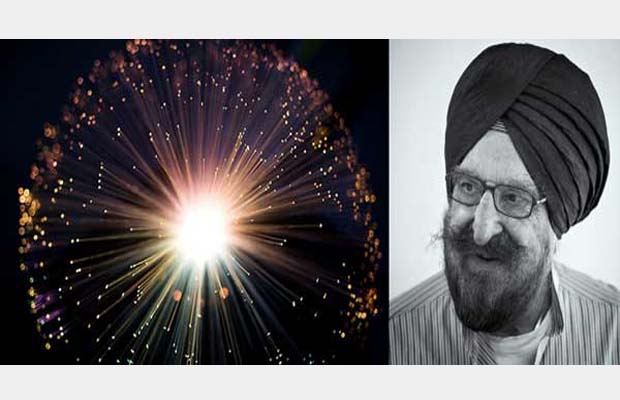
Named as one of the 7 ‘Unsung Heroes’ by Fortune Magazine, Dr. Narinder Singh Kapany, is widely recognized as the ‘Father of Fiber Optics’ for his pioneering work in Fiber Optics technology.
Plastic Surgery
Yes, it is right! Indians were pioneers in plastic surgery, too. It was carried out in India as early as 2000 B.C.


