
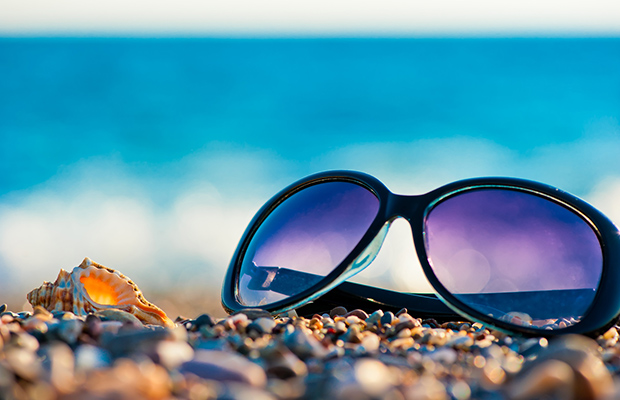


Most people know that UV radiation can damage skin, but they don’t realize it’s also bad for eyes. You wear your sunglasses only when it’s sunny? That’s like saying ‘I only smoke sometimes.’ Wear sunglasses big enough to block the light from above and below. Plus, your eyewear should have thick sides or wraparound. If you wear contacts, ask for UV coating. – Stephen Cohen, OD, past president of the Arizona.
Despite what generations of parents have told their kids, carrots aren’t the best food for your eyes. That honor goes to spinach, kale, and other dark, leafy veggies. – Andrea Thau, OD, associate clinical professor at the SUNY College of Optometry.
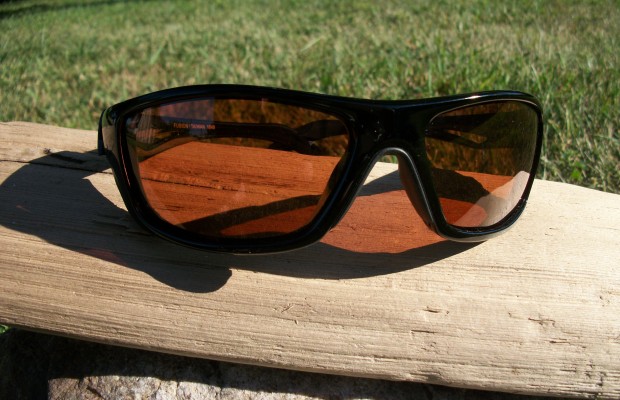
Polarized sunglasses are great at reducing glare, but they can make it difficult to see the LCD on your cell phone or navigation system. It’s harder to see an ATM screen when you’ve got polarized sunglasses on too. — Janice Jurkus, OD.
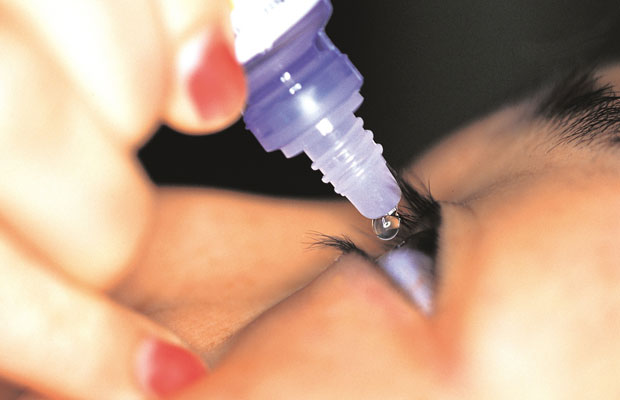
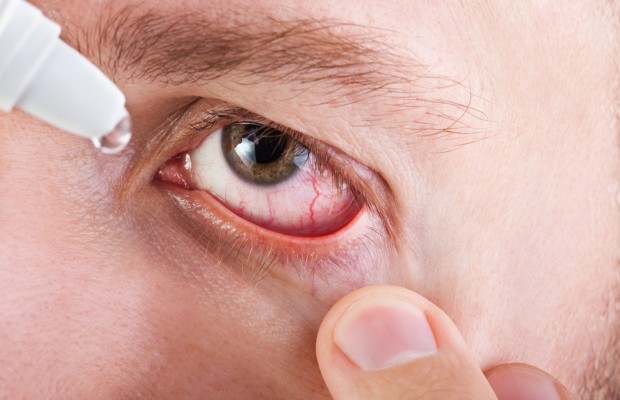
Eyedrops (any kind) sting less if you keep them in the refrigerator. — Janice Jurkus, OD
Reading in dim light won’t hurt your eyes. The worst that might happen is that you get a headache. – Eric Donnenfeld, MD
Don’t just grab any old bottle of eyedrops out of your medicine cabinet when a new problem comes up. If you have an infection, steroid drops might make the redness look better, but the infection could get worse. I’ve had to remove people’s eyes because of that. – Brian Bonanni, MD, an ophthalmologist at Gotham LASIK, New York City
Pinkeye isn’t always benign: A number of patients end up with light sensitivity and even vision loss. But many physicians treat it with antibiotics that won’t help if the cause is a virus. We do a rapid test for adenovirus—if that’s what you have, we treat it very differently than if your pinkeye is bacterial. – Robert Sambursky, MD, an ophthalmologist in Sarasota, Florida
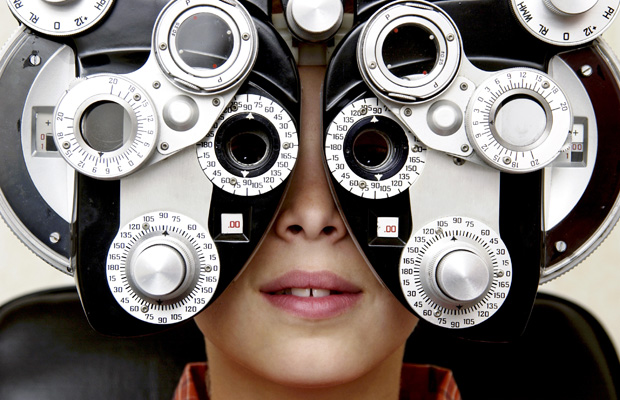
No, it’s not okay to wait for symptoms to appear. Some blinding eye diseases have few warning signs before they’ve taken away your vision. A yearly exam is the only way to catch things early. – Paul Harris, OD.


